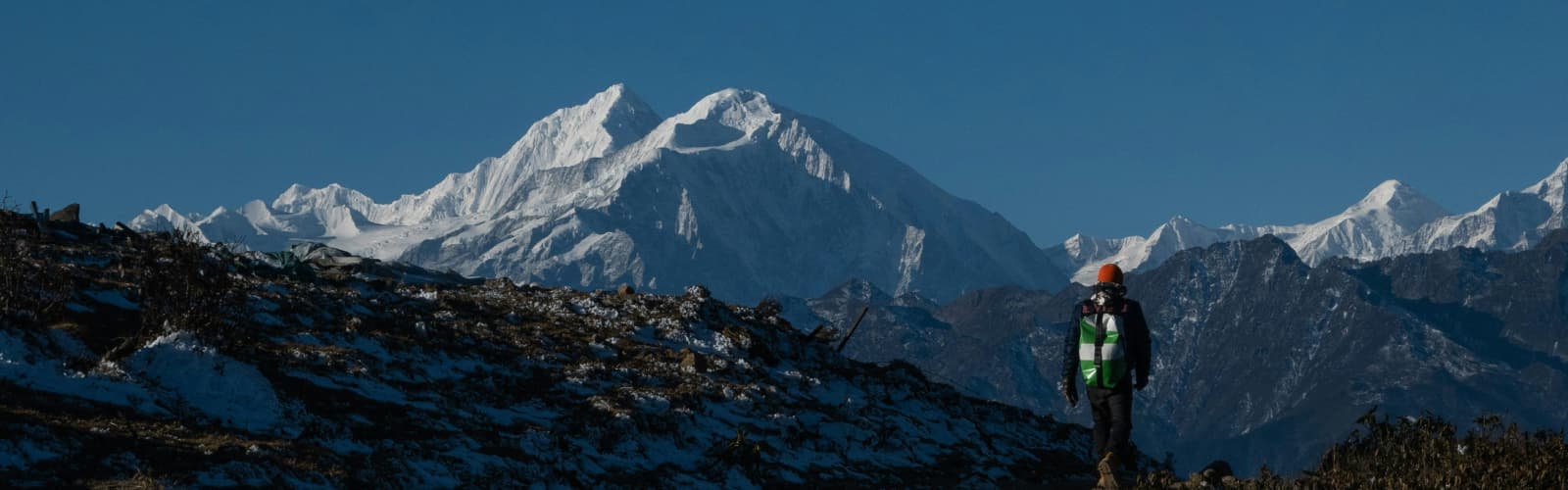
Himalayan trekking is a once-in-a-lifetime adventure, but aggressive trekking safety in Nepal is a necessity for all travelers. From unpredictable ground to altitude and climatic shifts, the risks are real. This Nepal Adventure Holidays guide contains valuable information and aggressive Nepal trekking safety advice to help you trek the trails confidently. Is trekking in Nepal safe? If you're seeking advice on how to stay safe during trekking in Nepal, this comprehensive guide has it all covered — from Nepal trek safety practices, altitude sickness, Nepal trekking, to Nepal trekking health risks that you must know beforehand. Getting your trip timed at the appropriate time for safe trekking in Nepal and following proper protocols is the key to avoiding issues like AMS or weather-related hazards. This article also highlights solo trekking safety in Nepal, important Nepal trekking emergency contacts, and the importance of having proper trekking insurance for Nepal. You’ll learn about Nepal hiking weather safety, identify safe trekking routes in Nepal, and understand the benefits of hiring a guide in Nepal trekking. With tips on what to pack for safe trekking in Nepal, guidelines for high altitude trekking in Nepal safety, advice on avoiding AMS in Nepal treks, and information on travel insurance for trekking in Nepal, trekking permit safety rules Nepal, and mountain rescue services in Nepal, you’ll be fully equipped for a secure and memorable Himalayan adventure.

At Nepal Adventure Holidays, we take pride in being the best company for trekking safety in Nepal, offering expert-guided adventures that prioritize your well-being above all. With years of experience in the Himalayas, we specialize in providing reliable Nepal trekking safety tips, professional guidance on how to stay safe while trekking in Nepal, and complete support for managing altitude sickness, Nepal trekkin,g and other Nepal trekking health risks. Whether you're planning a group trek or concerned about solo trekking safety in Nepal, our trained team ensures secure travel through safe trekking routes in Nepal, backed by proper trekking insurance for Nepal, accurate Nepal hiking weather safety updates, and swift access to mountain rescue services in Nepal. From understanding trekking permit safety rules in Nepal to helping you choose the best time for safe trekking in Nepal, Nepal Adventure Holidays is your most trusted partner for a safe, unforgettable Himalayan journey.
Why Trekking Safety in Nepal Matters
Trekking in Nepal offers breathtaking views and a unique cultural experience, but the Himalayan environment can be unpredictable and challenging. Understanding and prioritizing trekking safety in Nepal is essential to enjoying a successful and injury-free adventure. Safety precautions help protect trekkers from natural hazards, health risks, and unexpected emergencies.
- Unpredictable Weather Conditions: Rapid weather changes can cause dangerous situations like storms, landslides, or extreme cold.
- High Altitude Risks: Altitude sickness is common and can become life-threatening without proper acclimatization.
- Remote and Rugged Terrain: Many trails are isolated, making rescue and medical help difficult to access quickly.
- Physical Demands: Trekking requires stamina and fitness; ignoring your body’s signals can lead to exhaustion or injury.
- Wildlife and Environmental Hazards: Encounters with wildlife or unstable trails require caution
- Lack of Infrastructure: Limited facilities for medical aid and communication increase the importance of self-preparedness.
- Cultural Respect and Local Laws: Following trekking permit safety rules, Nepal ensures your safety and smooth passage through protected areas.
- Emergency Situations: Quick response and awareness of Nepal trekking emergency contacts can save lives during accidents or illnesses.
Prioritizing trekking safety in Nepal ensures that your adventure remains memorable for the right reasons. Being prepared, informed, and cautious helps you overcome the natural challenges of the Himalayas and fully enjoy the breathtaking landscapes and vibrant culture Nepal offers. Always remember, safety first leads to a rewarding trekking experience.
Altitude Awareness and Acclimatization
Trekking in Nepal often involves reaching high altitudes where the air contains less oxygen, which can affect your health and trekking experience. Proper altitude awareness and acclimatization are critical components of trekking safety in Nepal. Understanding how your body reacts and taking steps to adapt can prevent serious conditions like Acute Mountain Sickness (AMS).
- Understand Altitude Effects: As elevation increases, oxygen levels decrease, which can cause symptoms like headaches, nausea, and dizziness.
- Ascend Gradually: Limit daily altitude gain to 300–500 meters above 3,000 meters to give your body time to adjust.
- Climb High, Sleep Low: If possible, trek to a higher altitude during the day but return to a lower altitude to sleep.
- Stay Hydrated: Drink plenty of water to help your body acclimate more effectively.
- Avoid Alcohol and Smoking: Both can exacerbate altitude sickness symptoms and delay acclimatization.
- Recognize AMS Symptoms Early: Headache, fatigue, loss of appetite, nausea, and difficulty sleeping are warning signs.
- Rest and Descend if Needed: If symptoms worsen, stop ascending or descending immediately to a lower altitude.
- Consider Medication: Consult a doctor about preventive medicines like Diamox before your trek.
Effective altitude awareness and acclimatization are essential to ensure a safe and enjoyable trekking experience in Nepal’s high mountains. By respecting your body’s limits, ascending slowly, and monitoring symptoms, you can significantly reduce the risk of altitude sickness and make the most of your Himalayan adventure.
Proper Planning and Preparation
Successful trekking in Nepal begins long before you hit the trail. Proper planning and preparation are vital for ensuring your safety, comfort, and overall enjoyment. Being well-informed and equipped helps you handle challenges like changing weather, physical demands, and unexpected situations during your trek.
- Choose the Right Trek: Select a trail suited to your fitness, experience, and available time.
- Research Weather Conditions: Understand seasonal patterns to pick the best time for safe trekking in Nepal.
- Obtain Necessary Permits: Secure all trekking permit safety rules Nepal requires, such as TIMS and national park permits.
- Book Reliable Guides and Porters: Hiring a guide in Nepal trekking improves safety and enriches your experience.
- Physical Fitness Training: Prepare your body with cardio, strength, and endurance exercises before departure.
- Pack Smartly: Know what to pack for safe trekking in Nepal, including essentials like first-aid kits, thermal clothing, and water purification tools.
- Plan Your Itinerary with Acclimatization Days: Incorporate rest days to prevent altitude sickness.
- Have Emergency Plans: Keep emergency contacts and evacuation plans ready, and ensure you have trekking insurance for Nepal.
Thorough proper planning and preparation form the foundation of a safe and rewarding trek in Nepal. By researching, training, and equipping yourself well in advance, you reduce risks and ensure your adventure is both enjoyable and secure from start to finish.
Permits and Documentation
Having the correct permits and documentation is a legal requirement and a crucial part of trekking safety in Nepal. These permits help regulate trekking activities, preserve protected areas, and make it easier for authorities to assist you in case of emergencies. Failing to carry the proper documents can result in fines, denied access, or limited emergency support.
- TIMS Card (Trekkers’ Information Management System): Mandatory for most trekking routes to ensure your trek is registered for safety tracking.
- Area-Specific Permits: Routes like Annapurna, Manaslu, and Everest require additional permits such as ACAP, MCAP, or restricted area permits.
- Trekking Permit Safety Rules Nepal: Always follow local rules regarding entry points, check posts, and permit usage to avoid legal trouble.
- Carry Original Passport and Copies: You must show valid identification at checkpoints and lodge registrations.
- Register Your Itinerary: Let authorities or trekking agencies know your route to aid in Nepal trekking emergency contacts and rescue coordination.
- Verify Permit Validity Dates: Make sure your permits are valid throughout the duration of your trek to avoid being turned back.
- Digital and Physical Backups: Save photos of your permits on your phone and carry printed copies in case of loss.
- Use Licensed Agencies: For restricted regions, you must trek with a licensed guide and a registered trekking agency, especially important for solo trekking safety in Nepal.
Carrying the right permits and documentation is more than a formality—it's a safety necessity. It ensures compliance with local laws, streamlines emergency response, and supports conservation efforts. Whether you’re trekking solo or with a group, proper paperwork is a non-negotiable part of Nepal trekking safety tips.
Weather and Environment Monitoring
Monitoring weather and environmental conditions is vital for trekking safety in Nepal. The Himalayas are known for their rapidly changing weather, which can turn a pleasant hike into a dangerous situation within hours. Staying informed and prepared ensures a safer trekking experience.
- Check Weather Forecasts Regularly: Use reliable sources to stay updated on Nepal hiking weather safety before and during your trek.
- Understand Seasonal Patterns: The best time for safe trekking in Nepal is during spring (March–May) and autumn (September–November) when the weather is more stable.
- Prepare for Sudden Changes: Mountain weather can shift quickly; pack waterproof and warm clothing to handle rain, snow, or cold winds.
- Avoid Monsoon and Winter Seasons: Heavy rains and snow increase risks like landslides, avalanches, and trail blockages.
- Be Mindful of Environmental Hazards: Stay alert for signs of landslides, rockfalls, and river flooding, especially after heavy rain.
- Adapt Your Itinerary if Needed: Be flexible and willing to delay or reroute if weather conditions become unsafe.
- Use Local Knowledge: Guides and locals provide valuable insights into current and expected weather conditions.
- Practice Environmental Responsibility: Follow “Leave No Trace” principles to protect Nepal’s fragile ecosystems.
Effective weather and environment monitoring is a cornerstone of trekking safety in Nepal. Being aware, prepared, and adaptable to changing mountain conditions helps trekkers avoid hazards and enjoy the breathtaking landscapes with confidence and peace of mind.
Insurance and Emergency Support
When trekking in Nepal, having reliable insurance and emergency support is critical to your trekking safety in Nepal. The remote and rugged terrain, combined with high altitude, means accidents or illnesses can require urgent evacuation and medical care. Proper insurance and knowing how to access emergency services can save your life and reduce unexpected costs.
- Purchase Comprehensive Trekking Insurance: Ensure your policy covers travel insurance for trekking in Nepal, including high-altitude evacuation and helicopter rescue.
- Check Coverage for Medical Emergencies: Confirm that illness, injury, and emergency evacuation costs are fully covered.
- Keep Insurance Details Accessible: Carry a copy of your insurance policy and emergency contact numbers at all times.
- Know Nepal Trekking Emergency Contacts: Save local numbers such as Tourism Police (1144) and Mountain Rescue Services Nepal.
- Plan for Evacuation: Understand how helicopter rescue works and the costs involved; proper insurance typically covers these expenses.
- Use Licensed Agencies for Rescue: Always rely on authorized rescue operators coordinated through your trekking agency or local authorities.
- Inform Your Guide or Trekking Company: In emergencies, your guide can coordinate medical help or evacuation efficiently.
- Register Your Trekking Itinerary: This helps rescue teams locate you quickly in case of an emergency.
Having the right trekking insurance for Nepal and being aware of emergency support options are indispensable parts of Nepal trekking safety tips. Proper preparation ensures that unexpected situations are handled swiftly and reduces stress, allowing you to focus on enjoying your trek with peace of mind.
Hiring Professionals for Safety
One of the smartest ways to ensure trekking safety in Nepal is by hiring professionals for safety during your trek. Guides and porters bring invaluable local knowledge, experience, and support that greatly reduce risks and enhance your overall trekking experience.
- Expert Navigation: Professional guides know the terrain, weather patterns, and safest routes, helping you avoid hazards.
- Emergency Support: Guides are trained to recognize altitude sickness and other health issues, and they can coordinate rescue if needed.
- Cultural Insight and Communication: Guides help you interact respectfully with local communities and navigate language barriers.
- Load Management: Hiring porters helps carry heavy gear, reducing your physical strain and lowering the chance of injury.
- Permit Management: Guides assist with obtaining and managing trekking permit safety rules Nepal, ensuring legal compliance.
- Enhanced Safety for Solo Trekkers: Even solo trekkers benefit from the company and security of a knowledgeable guide.
- Better Logistics: Professionals handle accommodation bookings, food arrangements, and transport, allowing you to focus on trekking safely.
- Peace of Mind: Knowing you have trained experts by your side reduces stress and helps you enjoy the adventure fully.
Hiring a guide in Nepal trekking and support staff is an essential step for ensuring safety and a smoother trekking experience. Their expertise not only protects you from potential dangers but also enriches your journey through cultural and environmental understanding. For a secure and memorable trek, trust the professionals.
Essential Safety Packing Tips
Packing the right gear is crucial for trekking safety in Nepal. Proper preparation ensures you are equipped to handle varying weather conditions, altitude challenges, and emergencies on the trail. Knowing what to pack for safe trekking in Nepal can significantly improve your comfort and security during the trek.
- Quality Footwear: Invest in sturdy, waterproof trekking boots with good ankle support to prevent injuries.
- Layered Clothing: Pack thermal base layers, insulating mid-layers, and waterproof outer layers to adapt to Nepal’s changing weather.
- First-Aid Kit: Include essentials such as bandages, antiseptics, pain relievers, altitude sickness medication, and blister treatment.
- Water Purification: Carry water purification tablets or a portable filter to avoid waterborne illnesses.
- Sun Protection: Bring sunscreen, sunglasses with UV protection, and a wide-brimmed hat to guard against strong mountain sun.
- Navigation and Communication Tools: Maps, GPS devices, a mobile phone with a local SIM, and a power bank are essential for safety.
- Emergency Items: Flashlight or headlamp with extra batteries, whistle, multi-tool, and a thermal blanket for unexpected situations.
- Backpack Essentials: Pack snacks, trekking permits, identification, trekking insurance documents, and emergency contact information.
Packing thoughtfully with safety in mind is an integral part of Nepal trekking safety tips. The right gear not only protects you from environmental challenges but also ensures you’re ready for emergencies, making your trek safer and more enjoyable.
Ensuring trekking safety in Nepal is essential for a successful and unforgettable Himalayan adventure. By following expert Nepal trekking safety tips, understanding how to stay safe while trekking in Nepal, and preparing for risks like altitude sickness Nepal trekking and other Nepal trekking health risks, you significantly reduce dangers on the trail. Choosing the best time for safe trekking in Nepal, following trekking permit safety rules Nepal, and selecting safe trekking routes in Nepal further protect your journey. Whether trekking solo or with a group, solo trekking safety in Nepal and hiring a guide in Nepal trekking enhances security and support. Additionally, having proper trekking insurance for Nepal and knowing Nepal trekking emergency contacts and mountain rescue services in Nepal are lifesaving precautions. With thorough planning, responsible practices, and respect for the environment, you can confidently explore Nepal’s majestic landscapes and make memories that last a lifetime.
FAQs on Trekking Safety in Nepal
Q: Is trekking in Nepal safe for all travelers?
A: Yes, trekking in Nepal is safe when proper precautions are followed. Stick to well-known trails, trek in safe seasons, and apply reliable Nepal trekking safety tips.
Q: What are the main safety risks during trekking in Nepal?
A: The major risks include altitude sickness, unpredictable weather, steep terrain, and remote locations with limited medical support. Knowing how to stay safe while trekking in Nepal is crucial.
Q: Do I need travel insurance for trekking in Nepal?
A: Yes, having trekking insurance for Nepal that covers high altitude, emergency evacuation, and medical emergencies is highly recommended.
Q: What is the best time for safe trekking in Nepal?
A: The best time for safe trekking in Nepal is during spring (March–May) and autumn (September–November), when the weather is clear and stable.
Q: How can I avoid altitude sickness while trekking?
A: Ascend slowly, take rest days, hydrate well, and know the signs of altitude sickness Nepal trekking. Consult a doctor about preventive medicine if needed.
Q: Is solo trekking in Nepal recommended?
A: Solo trekking safety in Nepal requires extra caution. Stick to popular routes, stay connected, and consider hiring a guide even if trekking alone.
Q: Are permits necessary for trekking in Nepal?
A: Yes, permits like the TIMS card and area-specific permits are mandatory. Always follow the trekking permit safety rules in Nepal for legal and safe travel.
Q: What should I pack for safe trekking in Nepal?
A: Essentials include layered clothing, a first-aid kit, a water purifier, sun protection, and navigation tools. Refer to what to pack for safe trekking in Nepal before your trip.
Q: What emergency support is available during treks?
A: Guides can coordinate with mountain rescue services in Nepal, and it’s important to carry Nepal trekking emergency contacts and insurance details.
Q: Should I hire a guide or porter for my trek?
A: Yes, hiring a guide in Nepal trekking improves safety, provides local insight, helps in emergencies, and makes your experience more enriching and stress-free.
.4828dc85.png&w=256&q=75&dpl=dpl_4wpSjHUy1BcszSUAUcwRxno9aXXy "Affiliation 1")
.a14f8e77.png&w=256&q=75&dpl=dpl_4wpSjHUy1BcszSUAUcwRxno9aXXy "Affiliation 2")
.7a169c70.png&w=256&q=75&dpl=dpl_4wpSjHUy1BcszSUAUcwRxno9aXXy "Affiliation 3")
.360ce5ac.png&w=96&q=75&dpl=dpl_4wpSjHUy1BcszSUAUcwRxno9aXXy "Affiliation 4")
.b0c53703.png&w=384&q=75&dpl=dpl_4wpSjHUy1BcszSUAUcwRxno9aXXy "Affiliation 5")
.f0df82a6.png&w=420&q=75&dpl=dpl_4wpSjHUy1BcszSUAUcwRxno9aXXy "Affiliation 6")
.06f9557e.png&w=384&q=75&dpl=dpl_4wpSjHUy1BcszSUAUcwRxno9aXXy "Affiliation 7")