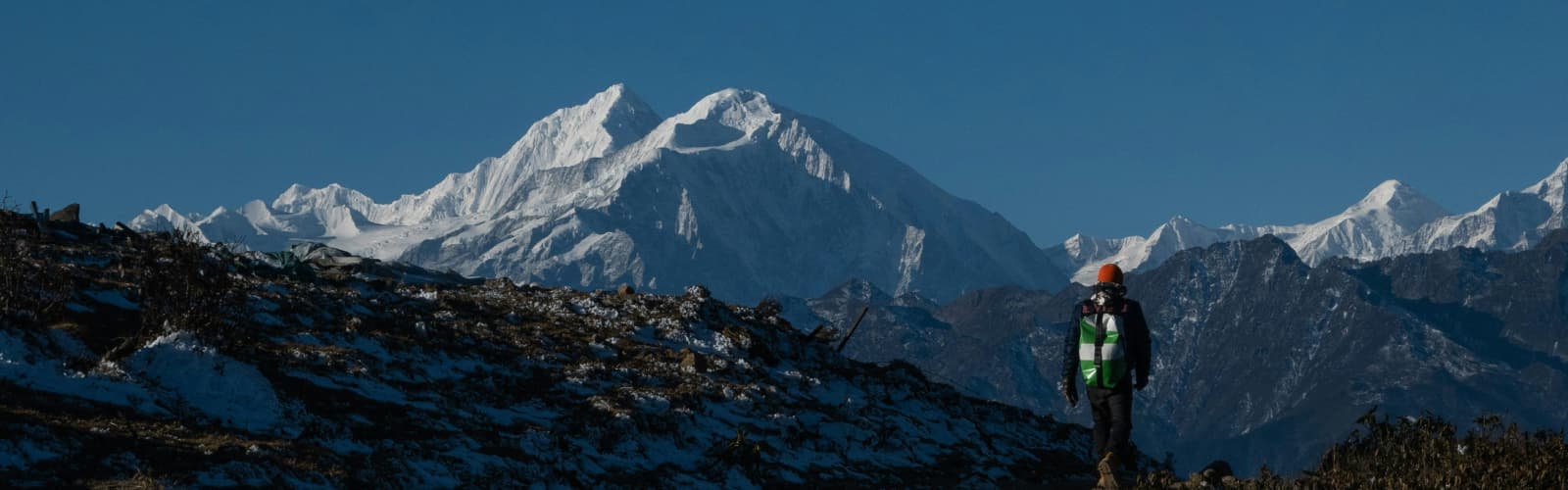
Particularly if you don't know what to expect, your first journey might be exhilarating yet terrifying. Understanding the common trekking mistakes as a novice will greatly enhance your journey, making it more enjoyable and safer. Knowing the most common trekking errors novices make—such as overpacking, ignoring physical preparation, or selecting unsuitable footwear—is vital whether you're preparing for the Annapurna Base Camp, Everest Base Camp, or discovering nearby trails. We at Nepal Adventure Holidays have developed key beginner trekking advice to help guarantee your first Nepal trekking trip is memorable for all the right reasons.

For first-time travelers, especially, Nepal Adventure Holidays is your best friend in knowing and avoiding the typical trekking mistakes. Our years of experience leading thousands of delighted hikers across Nepal's magnificent paths give us an important understanding of fundamental novice trekker advice, therefore guaranteeing your first hike is both pleasurable and secure. We are the top trekking company to assist you in avoiding typical trekking errors like incorrect gear selection, altitude sickness, and insufficient preparation, thanks to our knowledgeable guides, careful preparation, and tailored approach. Select Nepal Adventure Holidays for a fantastic, stress-free first trek in Nepal!
Neglecting Physical Preparation
- Underestimating Terrain Demands: Many first-time trekkers assume that a trek is “just a long walk.” Nepal’s steep ascents, rocky descents, and high-altitude sections challenge your cardiovascular system and leg strength far more than casual hiking. Skipping pre-trek conditioning often results in rapid fatigue and reduced enjoyment.
- Ignoring Cardiovascular Training: Strong lungs and a healthy heart are vital at elevations where the air is thinner. Without regular cardio workouts—such as jogging, cycling, or climbing stairs—trekkers struggle to keep pace and may suffer from shortness of breath even on moderate inclines.
- Skipping Strength & Core Work: Trekking with a loaded pack taxes your quads, glutes, calves, and core. Neglecting strength training (squats, lunges, planks, and step-ups) increases the risk of knee pain, back strain, and poor balance on uneven trails.
- Failing to Build Endurance Gradually: Cramming intense workouts into the final week does more harm than good. A structured 6–8-week plan that progressively increases distance, elevation, and pack weight allows muscles, tendons, and joints to adapt safely.
- Overlooking Recovery & Flexibility: Tight muscles limit stride length and stability. Incorporating stretching, yoga, and rest days prevents overuse injuries and keeps you limber for long uphill pushes.
- Not Simulating Real Trek Conditions: Training exclusively on flat city streets in brand-new boots won’t prepare you for mountain trails. Aim for practice hikes on rough terrain with the pack weight you’ll carry, giving footwear and gear a proper “break-in” period.
By prioritizing comprehensive physical preparation, you dramatically reduce the likelihood of exhaustion or injury and set yourself up for a successful, memorable trek with Nepal Adventure Holidays.
Overpacking or Underpacking
- Misjudging Gear Essentials: First-time trekkers either cram their packs with “just-in-case” items (overpacking) or leave out critical gear (underpacking). Both extremes create discomfort—either a back-breaking load or exposure to the elements without proper protection.
- Ignoring Pack Weight Targets: Aim to keep your pack below 20–25 % of body weight. Exceeding this limit drains energy on steep ascents, while skimping below it often means missing layers, nutrition, or first-aid supplies crucial for safety.
- Bringing Redundant Clothing: Carrying multiple cotton T-shirts and jeans is classic overpacking. Opt instead for two or three quick-dry layers that can be mixed, matched, and washed en route, saving weight while maintaining comfort.
- Forgetting Layering Basics: Underpacking happens when trekkers skip an insulating or waterproof layer to “save space.” High-altitude weather shifts rapidly; a lightweight down or synthetic jacket and a rain shell are non-negotiable on any Nepal trek.
- Overstocking Food & Water: Loading days’ worth of heavy canned goods burdens your pack. Plan calorie-dense snacks (nuts, energy bars) and carry only the day’s water plus purification tabs or a filter—refill at safe sources along the trail.
- Ignoring Pack Organization: Stuffing items haphazardly forces frequent repacking and may hide essentials. Use dry bags or packing cubes to group clothing, electronics, and first aid, ensuring quick access and balanced weight distribution.
- Not Accounting for Altitude Gear: Trekking above 3,000 m? A compact sleeping bag rated to –10 °C is vital. Beginner trekkers often underpack here, relying on teahouse blankets that may be inadequate in colder seasons.
- Skipping a Packing Rehearsal: Before departure, lay out every item and run a mock pack-and-weigh session. This exposes unnecessary extras and gaps, ensuring your final load is streamlined yet complete.
Avoiding overpacking or underpacking keeps your energy high, your back happy, and your trek with Nepal Adventure Holidays smooth, safe, and unforgettable.
Choosing the Wrong Footwear
- Buying Boots Last-Minute: Grabbing a pair right before departure is a classic trekking mistake. New boots are stiff, untested, and almost guaranteed to cause blisters. Purchase well in advance and break in your trekking shoes on local hikes so they mold to your feet.
- Prioritising Style Over Fit: Sleek, fashionable shoes rarely match the performance of properly fitted trekking boots. A secure heel, roomy toe box, and supportive midsole are non-negotiable for long ascents and rocky descents.
- Ignoring Terrain-Specific Designs: Lightweight trail runners feel great on gentle paths but can be hazardous on Nepal’s scree slopes and snow-dusted passes. Match footwear to terrain: mid- or high-cut, waterproof boots with aggressive tread for high-altitude treks; low-cut, breathable shoes for well-graded lower trails.
- Skipping Waterproof Membranes: Wet feet soften skin and invite blisters. Choosing non-waterproof shoes in the monsoon season or on snow-melt trails leaves you cold and miserable. Opt for Gore-Tex® or similar membranes paired with moisture-wicking socks to stay dry.
- Using the Wrong Socks: Even the best boots fail if paired with cotton socks. Invest in merino-wool or synthetic trekking socks that manage moisture, add cushioning, and reduce friction—critical for blister prevention.
- Neglecting Insoles & Lacing Techniques: Stock insoles often lack arch support. Upgrading to quality aftermarket insoles improves fit and reduces fatigue. Master lacing methods like the heel-lock to prevent toe-bang on descents.
- Overlooking Regular Foot Care: Daily foot inspections, taping hot spots, and allowing boots to air at rest stops extend boot life and keep skin healthy. Many beginners focus solely on gear and forget this crucial routine.
By choosing proper trekking footwear, you protect your joints, prevent blisters, and conserve energy, ensuring every step with Nepal Adventure Holidays is comfortable, confident, and unforgettable.
Ignoring Altitude Sickness Symptoms
- Underestimating Altitude Sickness Symptoms: Many first-time trekkers dismiss early signs—headache, nausea, dizziness, loss of appetite—as simple fatigue. Overlooking these common trekking pitfalls can lead to Acute Mountain Sickness (AMS) escalating into HAPE (fluid in the lungs) or HACE (fluid on the brain), both life-threatening.
- Ascending Too Quickly: Rapid elevation gain gives the body no time to adjust. Nepal Adventure Holidays builds proper acclimatization days into every itinerary, typically limiting altitude gains to 300–500 m per day above 3,000 m, with strategic rest days to let your body adapt.
- Ignoring the “Climb High, Sleep Low” Rule: Skipping acclimatization walks—a short hike to a higher point followed by descending to sleep lower—denies your body a vital adaptation stimulus. This classic trekking mistake dramatically increases AMS risk.
- Neglecting Hydration & Nutrition: Dehydration thickens blood and hampers oxygen transport, worsening symptoms. Drink 3–4 litres of water daily and eat carb-rich meals to fuel your body’s increased energy demand at altitude.
- Skipping Preventive Medication: For high routes (Everest Base Camp, Annapurna Circuit, Manaslu), preventive use of acetazolamide (Diamox)—under medical guidance—can reduce symptom severity. Beginners often avoid it due to side-effect fears; consult our guides or a travel-medicine doctor pre-trek.
- Pushing Through Early Warning Signs: “Toughing it out” can be fatal. At the first hint of worsening altitude sickness symptoms, stop ascending, rest, and monitor. If symptoms persist or intensify, descend immediately—the only proven cure.
- Ignoring Pulse Oximeter Readings: Nepal Adventure Holidays guides carry pulse oximeters and symptom charts. Saturations consistently below 80 % at rest or a Lake-Louise score ≥ 6 signal serious AMS requiring descent and, if possible, supplemental oxygen.
- Overlooking Night-time Checks: Symptoms often worsen overnight. Our team performs evening check-ins to catch deteriorating trekkers early, a safety net many solo hikers lack.
- Skipping Travel Insurance with Evacuation Cover: Helicopter rescues are expensive. Comprehensive insurance with high-altitude evacuation ensures swift transfer to lower altitudes or Kathmandu hospitals if severe AMS strikes.
Recognizing and respecting altitude sickness symptoms is critical for a safe, rewarding Himalayan adventure. With vigilant monitoring, sensible pacing, and expert guidance from Nepal Adventure Holidays, you’ll acclimatize safely and enjoy every breathtaking vista Nepal has to offer.
Skipping Hydration and Nutrition
- Underestimating Fluid Requirements: High-altitude, low-humidity air accelerates water loss through breathing and sweating. Beginners who rely on thirst cues often drink far too little, leading to dehydration, headaches, and poor performance. Aim for 3–4 litres of water daily, sipping steadily rather than gulping.
- Forgetting Electrolyte Balance: Plain water alone can dilute sodium and potassium levels, triggering cramps or hyponatremia. Add electrolyte tablets or sports drink powders to one or two bottles each day to replace essential salts and keep muscles firing efficiently.
- Ignoring Early Signs of Dehydration: Dark urine, dry mouth, and fatigue are warning lights many trekkers shrug off. At Nepal Adventure Holidays, our guides conduct regular hydration checks and remind you to drink long before thirst sets in.
- Skipping Breakfast or Main Meals: Trekking burns 3,000–4,000 calories daily. Skipping meals to save time or weight robs your body of fuel, causing energy crashes and slower acclimatization. Prioritise carbohydrate-rich breakfasts (oats, porridge, chapati) and balanced dinners with rice, lentils, and vegetables.
- Choosing Low-Calorie “Diet” Snacks: Lightweight but nutrient-poor foods—plain crackers, sugary candy—provide brief spikes then rapid slumps. Pack calorie-dense snacks like trail mix, peanut butter sachets, energy bars, and dried fruit to maintain steady blood-sugar levels between teahouse stops.
- Failing to Refuel Immediately After Hiking: The 30-minute “glycogen window” post-trek is prime time for muscle recovery. A quick protein-carb combo (instant noodles with eggs, chocolate milk powder in warm water) reduces soreness and primes you for the next day’s ascent.
- Over-Reliance on Caffeine & Alcohol: Coffee can be a morning boost, but excessive caffeine dehydrates; alcohol does so even faster and worsens sleep at altitude. Limit coffee to one or two cups, avoid alcohol entirely above 3,000 m, and hydrate extra if you indulge lower down.
- Neglecting Water Treatment: Crystal-clear streams can harbour Giardia and bacteria. Always treat or filter water—boiling, iodine drops, or a pump filter add mere minutes yet prevent debilitating stomach illnesses that sap nutrition and hydration simultaneously.
- Skipping Pre-Trek Nutrition Planning: Waiting until the trail to think about food leads to limited teahouse menus and impulse snack buys. Plan daily calorie targets (roughly 50 cal/kg body weight) and pack supplements—nuts, cheese, energy gels—for guaranteed intake.
Maintaining consistent hydration and nutrition gives you steady energy, sharper focus, and faster recovery—crucial ingredients for a triumphant Himalayan journey with Nepal Adventure Holidays.
Overestimating Your Abilities
- Choosing a Route Beyond Your Fitness Level: Many first-time trekkers leap straight for Everest Base Camp or a strenuous high-pass circuit, underestimating the sheer physical and mental toll. Selecting a trek that exceeds your current conditioning is one of the most critical trekking mistakes; fatigue and altitude issues quickly turn a dream trip into an ordeal.
- Ignoring Itinerary Guidelines from Experts: Our guides at Nepal Adventure Holidays design daily walking hours and acclimatisation stops for safety. Pushing ahead to “save time” disrupts altitude adjustment, heightening the risk of AMS. Respect the plan; it’s crafted from decades of Himalayan experience.
- Underestimating Daily Elevation Gain: Trail distance means little without factoring in steep ascents. Beginners often see “10 km” and assume an easy stroll, forgetting that 1 000 m of vertical climb can double energy expenditure. Study elevation charts, not just mileage, when assessing trail difficulty.
- Carrying Excess Pack Weight to “Build Strength”: Hauling a heavy load before your body adapts leads to knee pain, back strain, and premature exhaustion. Start light, add weight only when you’ve proven your endurance on practice hikes, and consider hiring a porter for high-altitude sections.
- Overconfidence in Technical Terrain: Rocky scree, ice, or narrow suspension bridges require stable footing and calm nerves. Overestimating balance or agility can result in slips and injuries. Use trekking poles, learn basic foot placement, and follow the guide’s pace.
- Misjudging Weather Resilience: Believing you can “power through” cold snaps or storms without adequate gear is a perilous assumption. Himalayan weather swings rapidly; lack of proper layers saps energy and increases hypothermia risk, proving that confidence alone is not a substitute for preparation.
- Refusing to Turn Back When Necessary: Summit fever—pressing on despite worsening health or deteriorating weather—is a hallmark of overestimating your abilities. The mountain will be there tomorrow; your safety must come first. Our policy: “Live to trek another day.”
- Skipping Rest Days to Beat Personal Records: Chasing speed records sacrifices acclimatisation and recovery. Effective beginner trekker tips emphasise structured rest: your muscles rebuild, and your body adjusts to altitude, ensuring strength for the toughest sections ahead.
Moderating ambition with realistic self-assessment is a core lesson for every newcomer. By heeding these warnings and partnering with Nepal Adventure Holidays, you’ll avoid the common trekking pitfalls of overconfidence and enjoy a safe, rewarding Himalayan adventure.
Forgetting First-Aid Essentials
- Leaving the first-aid kit at home: Skipping a dedicated kit is one of the gravest trekking mistakes. Minor cuts, blisters, or stomach bugs quickly escalate in remote areas where help is hours away. A compact, well-stocked first-aid kit is as vital as boots or a backpack.
- Packing the Wrong Medications: A few painkillers won’t cover altitude headaches, diarrhea, or severe inflammation. Include broad-spectrum antibiotics, anti-diarrheal tablets, acetazolamide for altitude, and any personal prescriptions. Carry printed dosage instructions in case you’re too ill to explain.
- Ignoring Blister Prevention Gear: Blisters can cripple progress. Add moleskin, hydrocolloid dressings, and a small tube of antiseptic ointment. Treat “hot spots” the moment they appear instead of hoping they’ll toughen up.
- Skipping Sterile Wound Supplies: Nepal’s dusty trails invite infection. Pack alcohol wipes, iodine or chlorhexidine swabs, sterile gauze, and adhesive bandages in multiple sizes. Quick cleaning plus sterile coverage keeps wounds from festering.
- Neglecting Allergy & Anaphylaxis Protection: Unknown foods, insect stings, or plant contact can trigger reactions. Add antihistamines and, if you have severe allergies, an EpiPen. Inform your guide and teammates about your allergens and where you store emergency meds.
- Forgetting Bandage Scissors & Tweezers: Small tools weigh almost nothing yet prove priceless for trimming tape, cutting clothing away from a wound, or removing splinters and ticks. Choose stainless steel versions that won’t rust in humid conditions.
- Skipping Training on Kit Use: Even a perfect kit fails if you don’t know how to use it. Before departure, watch quick tutorials or join a short wilderness first-aid course. Our guides at Nepal Adventure Holidays review the kit basics during pre-trek briefings.
- Stashing Everything in a Hard-to-Reach Spot: Emergencies demand speed. Store your first-aid essentials in a brightly-coloured dry-bag near the top of your pack. Tell your trekking partners where it is so they can help if you’re incapacitated.
- Ignoring Kit Maintenance: Check expiration dates and replace used or outdated items after every trip. A well-maintained kit ensures potency when you need it most.
By prioritising a complete, accessible first-aid kit—and knowing how to deploy it—you eliminate one of the most preventable common trekking pitfalls and set the stage for a safe, confident adventure with Nepal Adventure Holidays.
Underestimating Weather Changes
- Misreading Nepal’s Seasonal Patterns: New trekkers often assume “dry season = no rain.” In reality, pre-monsoon afternoons (March–May) can unleash sudden downpours, while post-monsoon (Oct-Nov) brings crisp mornings and sub-zero nights. Ignoring these shifts is a critical trekking mistake that leaves you soaked or shivering.
- Ignoring Micro-Climates: The Himalaya creates fierce micro-weather changes: sunshine in the valley can turn to sleet on a nearby ridge. Always pack layers for 10 °C of temperature swing within the same day.
- Skipping the Layering System: Cotton hoodies trap moisture and chill your core. Use the proven three-layer strategy—moisture-wicking base, insulating mid-layer, waterproof shell—to adapt instantly to fluctuating conditions.
- Forgetting Waterproof Protection: Sudden squalls drench gear in minutes. Carry a rain shell (10,000 mm+ rating), pack cover, and dry bags. Reliable waterproof gear weighs little yet keeps clothing, electronics, and sleeping bags functional.
- Underestimating UV & Wind Exposure: Thin, high-altitude air magnifies sunburn and wind-burn risk even on cloudy days. Pack SPF 50+ sunscreen, lip balm, sunglasses, and a windproof jacket to prevent painful skin damage and snow blindness.
- Relying Solely on Phone Forecasts: Cellular coverage fades above villages, and forecasts become less precise with elevation. Nepal Adventure Holidays guides cross-check satellite data, local intel, and barometer readings to anticipate storms long before the first cloud forms.
- Overlooking Evening Temperature Drops: Temperatures can plunge 15 °C after sunset. Trekkers who start with only a light fleece often battle hypothermia symptoms by camp. Always have a lightweight down or synthetic puffy within easy reach.
- Neglecting Storm Protocols: Thunderstorms build rapidly. Learn and follow lightning safety: avoid ridges, isolated trees, and metal trekking poles when thunder is within 30 seconds of a flash.
- Failing to Waterproof Electronics & Documents: Passports, permits, and phones soaked in a squall can derail logistics. Use zip-seal bags or waterproof pouches to protect critical items.
Preparing for rapid weather changes ensures comfort, safety, and stunning clear-sky views. With expert forecasting, gear recommendations, and adaptive itineraries, Nepal Adventure Holidays keeps you one step ahead of the Himalayan elements.
Trekking Alone as a Beginner
- Overestimating Self-Reliance: Solo beginner trekkers often assume that online maps and a good fitness level are enough. In Nepal’s remote valleys, navigation errors, sudden illness, or gear failures can leave you stranded without backup.
- Increased Safety Risks: Trekking in isolation multiplies dangers from falls, wildlife encounters, or altitude sickness. With no teammate to administer first aid or call for help, a minor mishap can escalate rapidly.
- Limited Local Knowledge: Solo trekking means missing out on trail updates about landslides, bridge washouts, or lodge closures—information that seasoned guides and groups share in real time.
- Higher Psychological Strain: Long stretches of rugged trail and thin air can trigger anxiety or decision fatigue. Companionship provides motivation and perspective when energy dips or weather closes in.
- Navigation Challenges: Side trails, unmarked junctions, and snow-covered passes are common in the Himalaya. Even with GPS, batteries drain fast in cold temperatures, making professional guidance invaluable.
- Difficulty in Emergencies: Rescue logistics—coordinating porters, yaks, or a helicopter—are daunting alone. Guided groups with Nepal Adventure Holidays have established protocols and 24/7 support networks for swift evacuation.
- Cultural Disconnect: A guide acts as interpreter, unlocking homestay hospitality, local legends, and sacred-site etiquette. Solo travelers risk unintentional cultural faux pas that can offend hosts.
- Permit & Checkpoint Hassles: Some regions require group permits or check-ins. Going it alone can complicate paperwork and delay progress at police or army posts.
- Missed Learning Opportunities: Trekking with experienced guides accelerates mountain craft—pacing, acclimatization, gear hacks—that solo beginners would learn only through trial and error.
Opting for a supportive group or expert guide from Nepal Adventure Holidays transforms your first trek from a risky solo gamble into a safe, enriching Himalayan adventure.
Disregarding Local Customs and Environment
- Ignoring Local Customs: Removing shoes when entering monasteries, walking clockwise around stupas, and greeting elders with “Namaste” are deeply rooted traditions. Overlooking these local customs can offend hosts and diminish the warmth of Himalayan hospitality.
- Intrusive Photography: Snapping pictures of monks, villagers, or sacred rituals without consent breaches cultural etiquette. Always ask permission first; a respectful request often opens doors to richer stories and genuine smiles.
- Leaving Non-Biodegradable Waste: Plastic bottles, snack wrappers, and batteries linger for decades on fragile alpine ecosystems. Practice strict leave-no-trace principles: pack out every bit of rubbish or use lodge recycling schemes when available.
- Straying Off Designated Trails: Cutting new paths erodes slopes and tramples alpine flora. Stick to established routes to protect the environment and prevent dangerous landslide zones from widening.
- Disturbing Wildlife: Feeding langur monkeys or approaching Himalayan tahr disrupts natural behaviour and spreads disease. Observe animals quietly from a distance, storing food securely to avoid habituation.
- Wearing Inappropriate Clothing in Villages: Short shorts or sleeveless tops may be fine on the trail, but offend conservative mountain communities. Carry a lightweight layer to cover shoulders and knees when passing through settlements or visiting temples.
- Over-Bargaining With Local Sellers: Fair negotiation is expected, but pushing prices unreasonably low undermines village economies. Support artisans by paying a fair wage for handmade crafts and produce.
- Using Single-Use Plastics: Buying multiple bottles of water each day floods remote lodges with waste they struggle to remove. Refill a reusable water bottle with boiled or filtered water to cut plastic consumption dramatically.
- Playing Loud Music or Flying Drones Without Approval: Mountain serenity and religious ceremonies demand quiet respect. Secure local authority permits before launching drones, and use headphones if you need motivational tunes.
- Disregarding Firewood Scarcity: Requesting extra log fires in regions above the tree line accelerates deforestation. Embrace the chill with proper layers and a quality sleeping bag rather than depleting precious timber resources.
By honouring local customs and safeguarding Nepal’s pristine environment, you help preserve the cultural and natural treasures that make Himalayan trekking extraordinary. At Nepal Adventure Holidays, we champion responsible travel so future generations can experience these same wonders.
The surest way to change your first Himalayan trek into a life-altering adventure is to steer clear of these frequent trekking traps—from disregarding physical preparation and overpacking or underpacking to overlooking altitude sickness symptoms. Focusing on intelligent novice trekker recommendations like adequate hydration, layered clothes, sensible itinerary planning, and great regard for local culture as well as the mountain environment considerably increases safety, comfort, and pleasure on the trail. Nepal Adventure Holidays provides you with experienced guides, a customized itinerary, and unrelenting dedication to sustainable travel so that you may prevent each one of these blunders. Believe in our decades of experience, so let us make your idea of trekking in Nepal into a memorable, stress-free reality.
FAQs
Q: What are the most common mistakes beginners make on a trek?
A: The top common trekking pitfalls include neglecting physical preparation, overpacking or underpacking, choosing the wrong footwear, ignoring altitude sickness symptoms, and underestimating rapid weather changes. Addressing these early steps sets you up for a safer, more enjoyable adventure.
Q: How fit should I be before attempting my first trek?
A: Aim for at least six–eight weeks of focused cardio and strength training—jogging, stair climbs, lunges, and loaded day-hikes. Good baseline fitness helps you handle Nepal’s steep ascents and higher altitudes without exhaustion.
Q: How much weight should my backpack carry?
A: Keep your total load below 20 – 25 % of your body weight. This balances having all essentials—layers, snacks, a first-aid kit—while avoiding energy-sapping overpacking.
Q: What footwear is best for Himalayan trails?
A: Break in a pair of mid- or high-cut, waterproof trekking boots with aggressive tread. Combine them with merino wool or synthetic socks to minimise blisters and keep feet warm in changing conditions.
Q: How can I prevent altitude sickness?
A: Follow the “climb high, sleep low” rule, limit daily altitude gain above 3,000 m to 300–500 m, stay well-hydrated, eat carb-rich meals, and consider preventive use of acetazolamide (Diamox) after consulting a doctor. At the first sign of worsening symptoms, rest or descend.
Q: How many litres of water should I drink each day?
A: Plan on 3 – 4 litres daily, adding an electrolyte tablet to at least one bottle to replace lost salts. Carry purification tablets or a filter so you can refill safely along the trail.
Q: Do I need a first-aid kit if I’m with a guide?
A: Yes. Guides carry group medical gear, but a personal first-aid kit—blister dressings, painkillers, altitude meds, and personal prescriptions—ensures immediate treatment for minor issues before they worsen.
Q: Is it safe to trek alone as a beginner?
A: Solo trekking amplifies risks from injuries, navigation errors, and altitude illness. Joining a small group or hiring an experienced guide from Nepal Adventure Holidays provides real-time trail updates, cultural insights, and a 24/7 support network.
Q: How can I respect local customs and the environment?
A: Learn simple courtesies—saying “Namaste,” walking clockwise around stupas, asking before photos—and practice strict leave-no-trace ethics: pack out all non-biodegradable waste, stick to marked trails, and minimise firewood use above the tree line.
.4828dc85.png&w=256&q=75&dpl=dpl_4wpSjHUy1BcszSUAUcwRxno9aXXy "Affiliation 1")
.a14f8e77.png&w=256&q=75&dpl=dpl_4wpSjHUy1BcszSUAUcwRxno9aXXy "Affiliation 2")
.7a169c70.png&w=256&q=75&dpl=dpl_4wpSjHUy1BcszSUAUcwRxno9aXXy "Affiliation 3")
.360ce5ac.png&w=96&q=75&dpl=dpl_4wpSjHUy1BcszSUAUcwRxno9aXXy "Affiliation 4")
.b0c53703.png&w=384&q=75&dpl=dpl_4wpSjHUy1BcszSUAUcwRxno9aXXy "Affiliation 5")
.f0df82a6.png&w=420&q=75&dpl=dpl_4wpSjHUy1BcszSUAUcwRxno9aXXy "Affiliation 6")
.06f9557e.png&w=384&q=75&dpl=dpl_4wpSjHUy1BcszSUAUcwRxno9aXXy "Affiliation 7")