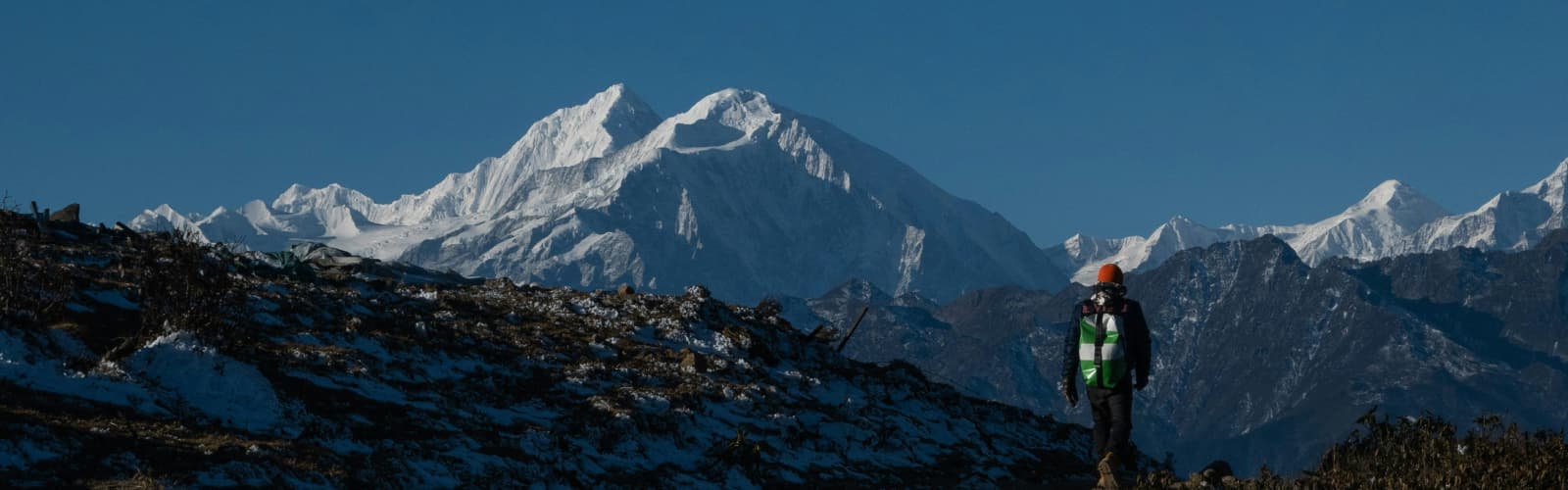
For its spectacular mountainous scenery and varied hiking paths, Nepal is well-known around the world and a prime location for adventure seekers. Selecting the perfect time for trekking in Nepal guarantees memorable experiences, nice weather, and stunning views. Knowing the trekking seasons in Nepal and the weather forecast for trekking in Nepal helps tourists arrange their journeys during the optimum times for trekking in Nepal. Knowing when is the best season for trekking in Nepal can make all the difference, whether you want the bright colors of spring trekking in Nepal, the sharp, brilliant skies of autumn trekking in Nepal, or even the quieter paths during winter trekking in Nepal. To guarantee the most fulfilling and safe trekking trip, Nepal Adventure Holidays advises arranging your trip to coincide with the best trekking season in Nepal.

We at Nepal Adventure Holidays are proud of our reputation as the most reputable company to help you through the best time for trekking in Nepal. Years of experience, thorough local expertise, and a love of the mountains enable us to guide trekkers in picking the ideal season to discover Nepal's stunning paths. Based on your tastes and current weather patterns, our experienced staff offers tailored advice, knowing the subtleties of Nepal trekking seasons. We guarantee your trip is secure, pleasurable, and memorable, whether you are seeking the clear skies of autumn trekking in Nepal or the blossoming beauty of spring trekking in Nepal. Let Nepal trekking's finest time to visit be your dependable ally in living your ideal hike.
Autumn (September to November)
Autumn is considered the best time to trek in Nepal due to its perfect blend of clear skies, stable weather, and pleasant temperatures. After the monsoon rains, the atmosphere becomes fresh, and the mountain views are breathtakingly clear. This season attracts the highest number of trekkers, making trails vibrant and culturally rich.

Why Autumn is the Best Season for Trekking in Nepal:
- Clear and Stable Weather: After the heavy monsoon rains, the skies clear up, providing stunning panoramic views of the Himalayas. The weather remains stable with minimal chances of rain, ensuring safe and enjoyable trekking conditions.
- Moderate Temperatures: Daytime temperatures are comfortable, typically ranging from 10°C to 20°C (50°F to 68°F), making them ideal for long hikes. Nights can be chilly but manageable with proper gear.
- Ideal Visibility: The post-monsoon atmosphere is free from dust and haze, offering some of the clearest views of iconic peaks like Mount Everest, Annapurna, and Dhaulagiri.
- Cultural Festivals: Autumn coincides with several major Nepalese festivals such as Dashain and Tihar. Trekkers get a chance to experience vibrant local traditions, ceremonies, and festivities along the trails.
- Best Time for Popular Treks: This season is considered the Everest Base Camp best season and the Annapurna Circuit best season due to favorable weather and trail conditions.
- Wildlife and Nature: Post-monsoon vegetation is lush and green, providing excellent opportunities for spotting wildlife and enjoying Nepal’s natural beauty.
For trekkers seeking breathtaking mountain vistas, comfortable weather, and a culturally immersive experience, autumn (September to November) remains the undisputed best time to visit Nepal for trekking. At Nepal Adventure Holidays, we highly recommend planning your trek during this season to make the most of Nepal’s majestic landscapes and rich heritage.
Spring (March to May)
Spring is one of the most beautiful and rewarding seasons to trek in Nepal. As the winter snow melts, the valleys and hills burst into color with blooming rhododendrons and wildflowers, creating breathtaking scenery. The weather gradually warms up, offering pleasant trekking conditions with fewer crowds compared to the autumn season.

Why Spring is a Great Season for Trekking in Nepal:
- Blooming Flora and Scenic Beauty: Spring is famous for its vibrant rhododendron forests and blossoming flowers, especially in regions like Langtang, Annapurna, and Everest. The colorful landscapes add a magical touch to your trekking experience.
- Comfortable Temperatures: Daytime temperatures range from 12°C to 22°C (54°F to 72°F), providing comfortable conditions for long hikes. Nights are warmer than winter but can still be cool at higher altitudes.
- Good Mountain Visibility: While spring sometimes sees occasional rain or haze, mornings are often clear with stunning views of the Himalayan peaks, making it an excellent season for photography.
- Fewer Crowds than Autumn: Spring attracts fewer trekkers compared to the peak autumn season, allowing for a more peaceful and intimate trekking experience.
- Ideal for Popular Treks: This is another ideal time for major trekking routes such as the Everest Base Camp, the best time, and the Annapurna Circuit best season, as the trails are safe and accessible.
- Wildlife Activity: The warmer weather encourages wildlife to be more active, increasing your chances of spotting unique Himalayan fauna.
Spring (March to May) offers a wonderful blend of natural beauty, comfortable weather, and fewer crowds, making it one of the best months for trekking in Nepal. For travelers seeking to witness Nepal’s stunning floral displays while enjoying pleasant trekking conditions, Nepal Adventure Holidays strongly recommends planning your trek during this vibrant season.
Summer/Monsoon (June to August)
The summer months from June to August mark the monsoon season in Nepal, which is generally the least favorable time for trekking. During this period, heavy rainfall affects most parts of the country, leading to slippery trails, landslides, and reduced visibility. However, this season also brings lush green landscapes and fewer tourists, offering a different kind of experience for adventurous trekkers.

Key Facts About the Monsoon Season for Trekking in Nepal:
- Heavy Rainfall and Slippery Trails: The monsoon rains make trails wet and muddy, increasing the risk of landslides and trail closures. Trekking during this period requires caution and experience.
- Limited Mountain Views: Persistent cloud cover and rain often obscure the majestic Himalayan peaks, reducing the chances of clear, panoramic views.
- Lush Green Scenery: The countryside transforms into a vibrant green paradise, with blooming forests and flowing waterfalls, offering a unique natural beauty not seen during other seasons.
- Fewer Tourists and Crowds: Due to the challenging weather, fewer trekkers visit Nepal during the monsoon, allowing for a more solitary and peaceful trekking experience.
- Ideal for Lower Altitude Treks: While high-altitude routes like Everest Base Camp and Annapurna Circuit are not recommended during this time, some lower altitude treks, such as the Ghorepani Poon Hill trek, can still be enjoyable.
Although the Nepal trekking monsoon season presents challenges like heavy rain and limited visibility, it offers lush landscapes and tranquility for those willing to brave the conditions. At Nepal Adventure Holidays, we advise most trekkers to avoid this season, but we can assist experienced adventurers seeking a unique off-season experience.
Winter (December to February)
Winter in Nepal brings cold temperatures and snow, especially at higher elevations, making it a less popular but still rewarding trekking season. This season offers a quieter trekking experience with fewer tourists and clear skies on many days. For those prepared for chilly weather, winter trekking can be a peaceful and beautiful adventure.

Why Winter Trekking in Nepal Can Be a Good Choice:
- Cold Temperatures and Snow: Temperatures can drop well below freezing at higher altitudes, and many passes may be covered with snow, making some trekking routes challenging or inaccessible.
- Clear Skies and Crisp Air: Winter often brings bright, clear days with excellent visibility of the Himalayan peaks, perfect for stunning photography and scenic views.
- Quieter Trails and Less Crowds: With fewer trekkers on the trails, winter offers solitude and a chance to experience Nepal’s mountains in peace.
- Lower Altitude Treks Are Accessible: Treks at lower elevations, such as Ghorepani Poon Hill, are still enjoyable and relatively safe during winter months.
- Special Cultural Experiences: Visiting villages in winter allows trekkers to witness traditional Nepalese lifestyles and festivals in a serene setting.
While winter trekking in Nepal requires preparation for cold weather and possible snow, it offers a unique, tranquil trekking experience with spectacular mountain views. At Nepal Adventure Holidays, we recommend winter trekking for those seeking solitude and breathtaking scenery away from the crowds, especially on lower altitude routes.
Selecting the ideal time to hike in Nepal is absolutely vital for a safe, memorable, and pleasant trip. Offering clear skies, comfortable temperatures, and vivid natural beauty, both autumn and spring are distinguished as the most perfect seasons. Although winter trekking in Nepal draws individuals looking for quiet and clear mountain vistas at lower elevations, the Nepal trekking monsoon season is usually best avoided because of torrential rains and difficult trail conditions. Based on their preferences and trekking path, Nepal Adventure Holidays helps trekkers to the best time to visit Nepal. Planning your journey during the ideal season guarantees a really amazing experience in the middle of the Himalayas, whether you dream of the legendary Everest Base Camp best time or the spectacular Annapurna Circuit best season.
FAQs
Q: What is the best time to trek in Nepal?
A: The best time to trek in Nepal is during the autumn (September to November) and spring (March to May) seasons, when the weather is stable, skies are clear, and temperatures are moderate.
Q: When is the best season for trekking in Nepal?
A: Autumn is the peak trekking season with the clearest mountain views, followed by spring, which offers beautiful blooming flowers and pleasant temperatures.
Q: Can I trek in Nepal during the monsoon season?
A: Trekking during the monsoon season (June to August) is generally not recommended due to heavy rain, slippery trails, and the risk of landslides, though some lower-altitude treks can be attempted by experienced trekkers.
Q: Is winter trekking in Nepal possible?
A: Yes, winter trekking (December to February) is possible, especially on lower altitude routes. The weather is colder with potential snowfall at higher elevations, but trails are quieter and mountain views are often clear.
Q: Which months are best for trekking in Nepal?
A: The best months for trekking are September, October, November, March, and April.
Q: What is the best time to trek to Everest Base Camp?
A: The best time for Everest Base Camp trekking is during autumn and spring, when the weather is clear and trekking conditions are optimal.
Q: What should I expect from Nepal trekking weather?
A: Nepal’s trekking weather varies by season: autumn and spring offer moderate temperatures and clear skies, monsoon brings heavy rain, and winter is cold with snow at higher altitudes.
Q: How do Nepal trekking seasons affect the experience?
A: Each season offers a unique experience: autumn and spring provide the best views and weather, monsoon delivers lush greenery but challenging trails, and winter offers solitude with cold but clear conditions.
.4828dc85.png&w=256&q=75&dpl=dpl_4wpSjHUy1BcszSUAUcwRxno9aXXy "Affiliation 1")
.a14f8e77.png&w=256&q=75&dpl=dpl_4wpSjHUy1BcszSUAUcwRxno9aXXy "Affiliation 2")
.7a169c70.png&w=256&q=75&dpl=dpl_4wpSjHUy1BcszSUAUcwRxno9aXXy "Affiliation 3")
.360ce5ac.png&w=96&q=75&dpl=dpl_4wpSjHUy1BcszSUAUcwRxno9aXXy "Affiliation 4")
.b0c53703.png&w=384&q=75&dpl=dpl_4wpSjHUy1BcszSUAUcwRxno9aXXy "Affiliation 5")
.f0df82a6.png&w=420&q=75&dpl=dpl_4wpSjHUy1BcszSUAUcwRxno9aXXy "Affiliation 6")
.06f9557e.png&w=384&q=75&dpl=dpl_4wpSjHUy1BcszSUAUcwRxno9aXXy "Affiliation 7")